

A Simple Way to Keep Your Home Warmer in Winter and Cooler in Summer
How siding installation can improve home insulation comes down to one main idea: it adds a protective layer around your home that helps stop heat from escaping in winter and block heat from getting in during summer. When siding is installed the right way, it seals gaps, reduces drafts, and works with your wall insulation to keep indoor temperatures steady. This can lead to lower energy use and a more comfortable home all year.
What You Need Before Starting
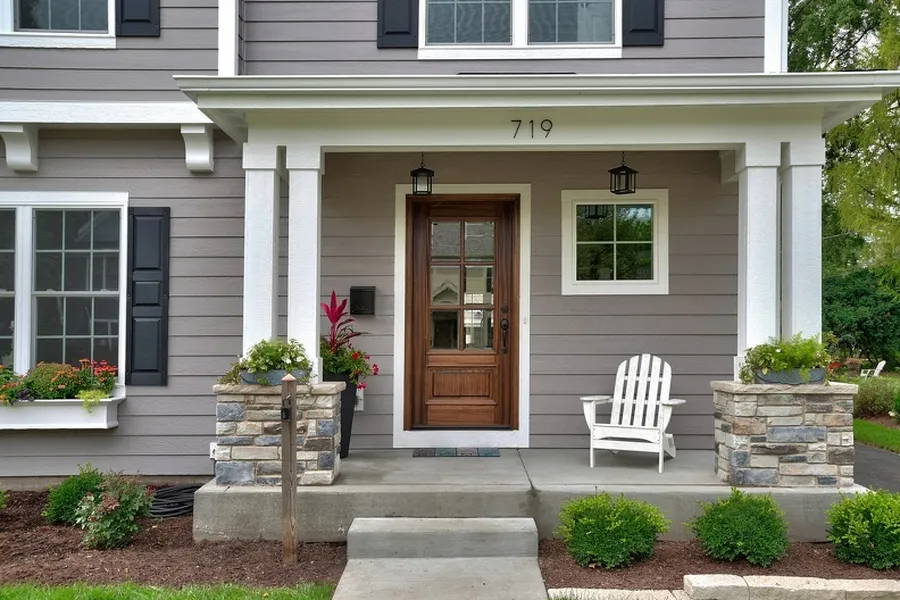
Before you plan a siding installation, take a close look at your current exterior walls. Check if your home already has insulation behind the walls. Older homes may have thin or damaged insulation. You should also look for signs of moisture, mold, or rotting wood. These problems need to be fixed before new siding goes on.
You will also need:
- A clear idea of your budget
- Knowledge of local building codes
- The right type of siding material for your climate
- Access to basic exterior services if repairs are needed
Choosing the right material matters. Vinyl, fiber cement, and insulated siding panels each offer different levels of thermal support.
Step-by-Step Process
Here is how siding installation can improve home insulation when done correctly:
- Remove old siding. This exposes the wall sheathing and lets you check for hidden damage.
- Inspect and repair. Fix any rot, cracks, or water damage in the wall structure.
- Add or upgrade insulation. Install foam board or house wrap to create a thermal barrier.
- Seal gaps and seams. Caulk around windows, doors, and joints to block air leaks.
- Install the new siding. Secure it tightly and evenly for full coverage.
Each layer works together. The insulation slows heat transfer. The wrap blocks wind and moisture. The siding protects everything underneath.
Common Mistakes to Avoid
Many homeowners think siding alone will solve all insulation problems. That is not always true. Siding works best as part of a system.
A few common mistakes include:
- Skipping wall repairs before installation
- Not sealing gaps around windows and doors
- Using low-quality materials
- Installing siding without adding a moisture barrier
Another mistake is poor installation. Even small gaps can let in drafts. Uneven panels can trap moisture behind the walls. Over time, this can reduce the life of both the siding and the insulation.
When to Call a Professional
If your home feels drafty even after weather stripping, your wall system may need more than a quick fix. A professional crew can check behind the walls and measure heat loss. They can also spot hidden water damage or mold.
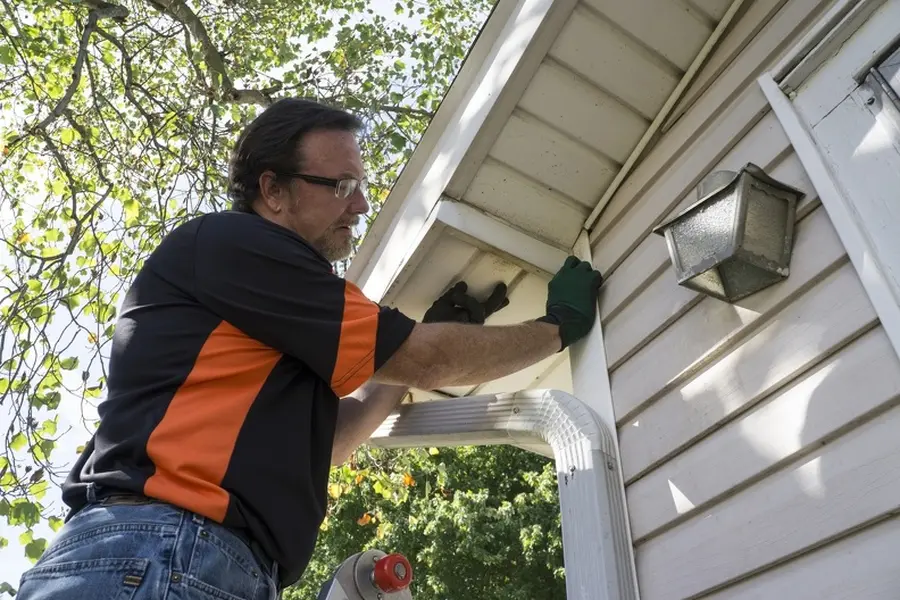
Siding installation often involves ladders, power tools, and detailed measuring. Mistakes can lead to water leaks or structural problems. If your home is more than 15 years old, or if you see high energy bills with no clear reason, it may be time to get expert help.
Proper installation can also raise your home’s value. Buyers often look at energy efficiency. A well-insulated exterior can make your home more appealing if you plan to sell.
Final Recommendation and Next Steps
If you live in Carson City, NV and want better comfort and lower energy bills, siding installation may be a smart upgrade. At Tahoe ProFix Remodeling, we handle siding projects with careful planning and skilled crews. We focus on sealing gaps, adding proper insulation, and installing strong exterior panels that last. Call (775) 200-7189 to talk with us about your home and schedule an inspection. We are ready to help you create a more energy-efficient space for you and your family.