

How to Pick a Siding Material That Lasts for Decades
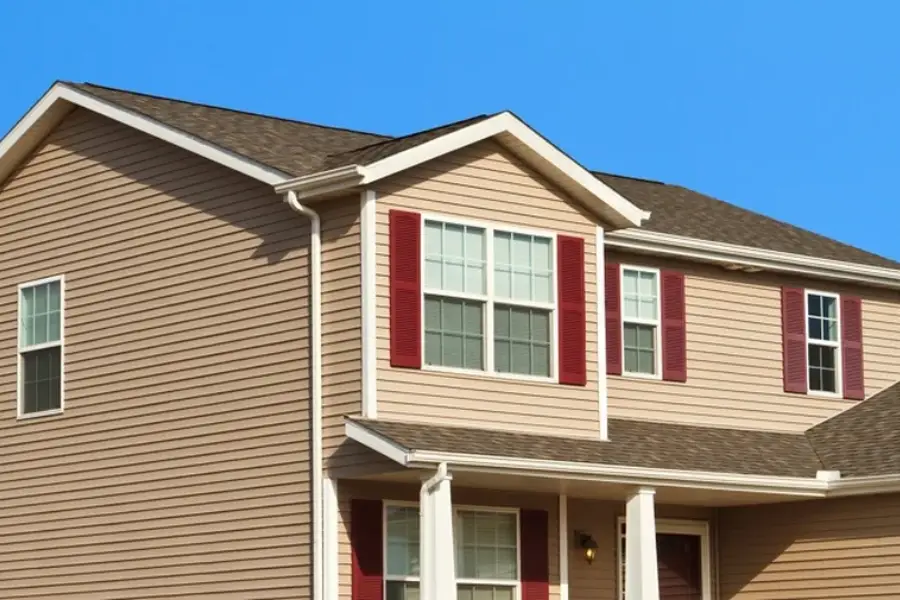
Choosing the right siding material for long-term performance starts with matching the material to your climate, budget, and maintenance goals. Some siding types last longer in wet areas, while others do better in heat or cold. The right choice will protect your home, lower repair costs, and keep it looking good for years.
What You Need to Know Before You Start
Before planning a siding installation, gather a few key details. Think about your local weather. Do you get heavy rain, snow, or strong sun? Also think about how much upkeep you are willing to handle each year.
Here are basic questions to ask yourself:
- How long do I plan to stay in this home?
- Do I want low maintenance or natural wood look?
- What is my overall project budget?
- Does my neighborhood have style rules?
The answers will help narrow your options. This is also where siding installation planning connects with your broader exterior renovation goals.
Step-by-Step Process for Choosing the Best Material
Follow these steps to make a smart choice:
- Compare durability. Vinyl often lasts 20-40 years. Fiber cement can last 30-50 years. Engineered wood may last 20-30 years with proper care.
- Review maintenance needs. Wood needs painting or staining. Vinyl needs simple washing. Fiber cement may need repainting over time.
- Check resistance to moisture and pests. Some materials resist termites and rot better than others.
- Look at energy efficiency. Insulated siding can help control indoor temperature.
- Get professional estimates. Proper siding installation affects how long the material lasts.
Each step helps you balance cost and lifespan. Skipping one can lead to higher repair bills later.
Common Mistakes Homeowners Make
One common mistake is picking siding based only on price. Cheaper materials may fade, crack, or warp sooner. That can lead to early replacement.
Another mistake is ignoring climate. For example, wood siding in a damp region may develop mold or rot faster. In very hot areas, some vinyl products may fade.
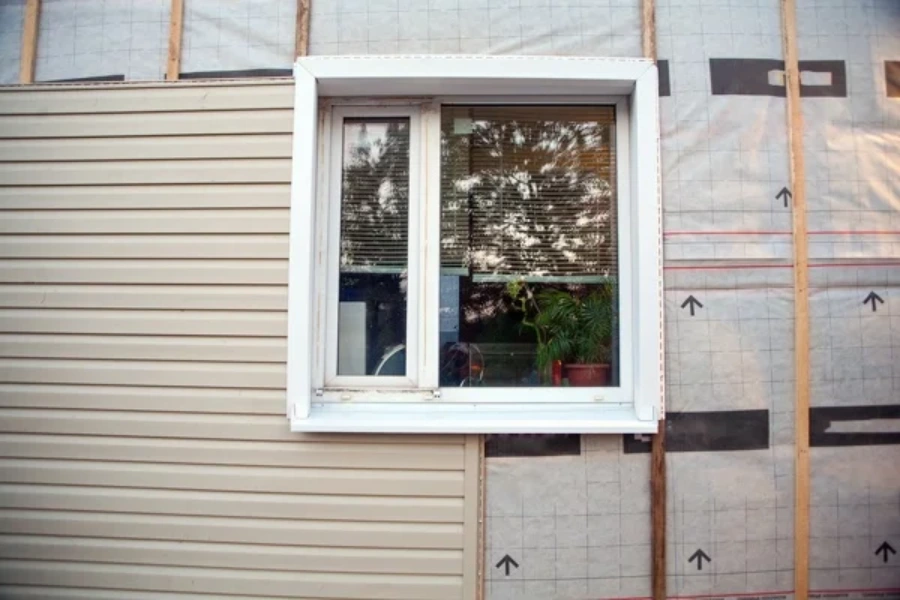
Improper siding installation is another problem. Even the best material can fail if water gets behind it. Poor fastening can also cause panels to loosen in strong winds.
Some homeowners also forget about ventilation and underlayment. These parts are hidden but help prevent trapped moisture and wall damage.
Best Siding Materials by Homeowner Needs
Different goals call for different materials. Here is a simple breakdown:
- Low maintenance: Vinyl siding is easy to clean and does not need painting.
- Long lifespan: Fiber cement offers strong durability and fire resistance.
- Natural appearance: Wood gives a classic look but needs regular care.
- Budget friendly: Basic vinyl is often the most affordable upfront.
- High impact resistance: Engineered products may handle storms better.
Think about what matters most to you. Long-term performance is not just about years. It is also about how much work and money you put in over time.
When to Call a Professional for Guidance
If you see cracking, swelling, or high energy bills, it may be time for expert advice. Professionals can inspect your walls for hidden moisture damage.
A contractor can also explain how different materials perform in your specific area. They will review ventilation, insulation, and proper siding installation methods. This step protects your investment.
Large projects, multi-story homes, or structural damage always require trained crews. Safety alone is reason enough to avoid a DIY approach in these cases.
Final Recommendation and Next Steps
Choosing siding that performs well over time means balancing durability, care needs, and budget. The right siding installation can add decades of protection and boost curb appeal at the same time. If you are planning exterior updates in Carson City, NV, our team at Tahoe ProFix Remodeling can walk you through your options and explain what works best for your home. We take the time to review materials, answer questions, and complete every project with care. Call us at (775) 200-7189 to schedule a consultation and let us help you protect your home for the long run.